Amanda
Jimenez Aceituno
PhD
Researcher
+46 8 674 78 16
+46 721 42 21 63
Twitter-link
RSS-link

- Social-ecological systems
- Transformations for sustainability
- Transformation potential
- Anthropocene
- Scenarios
Amanda Jiménez Aceituno research focuses on resilience and transformations, as well as initiatives with high potential to contribute to a good Anthropocene
Jiménez-Aceituno is a postdoctoral researcher within the GRAID programme (Guidance for Resilience in the Anthropocene: Investments for Development). She is working on the analysis of an emerging database of initiatives that have a high potential to contribute to more sustainable social-ecological futures, and that are being collected by the Seeds of a Good Anthropocenes project. These “Seeds” are existing social-ecological initiatives that demonstrate one or more elements of a positive future that might contribute to creating a good Anthropocene. By applying novel analytical frameworks on sustainability transformations, her research aims to build understanding on the features of initiatives that have a high transformative potential, and analyse the contexts that best support these initiatives.
Prior to joining the SRC, Jiménez Aceituno worked as a PhD student at the Social-Ecological Systems Laboratory, at the Ecology Department of the Universidad Autónoma de Madrid. Jiménez Aceituno defended her PhD thesis Analysis of communication, education and participation projects for biodiversity conservation: cases of study of Spain and Costa Rica in 2015. In her thesis, she designed an integrated framework for analysing how conservation projects incorporate communication, education and participation strategies, evaluating their pitfalls and developing a set of strategic lines of future intervention.
As a part of her PhD thesis, she conducted fieldwork in Costa Rica for a total of seven months in 2010 and 2012. She was located at the Costa Rican National Biodiversity Institute (INBio) and interviewed a variety of stakeholders involved with environmental education programs (NGO´s, academy, government and private companies) and conducted a social network analysis. During 2011, she also held a long-term internship at the University of Florida, working with Dr. Susan K. Jacobson and Dr. Martha C. Monroe.
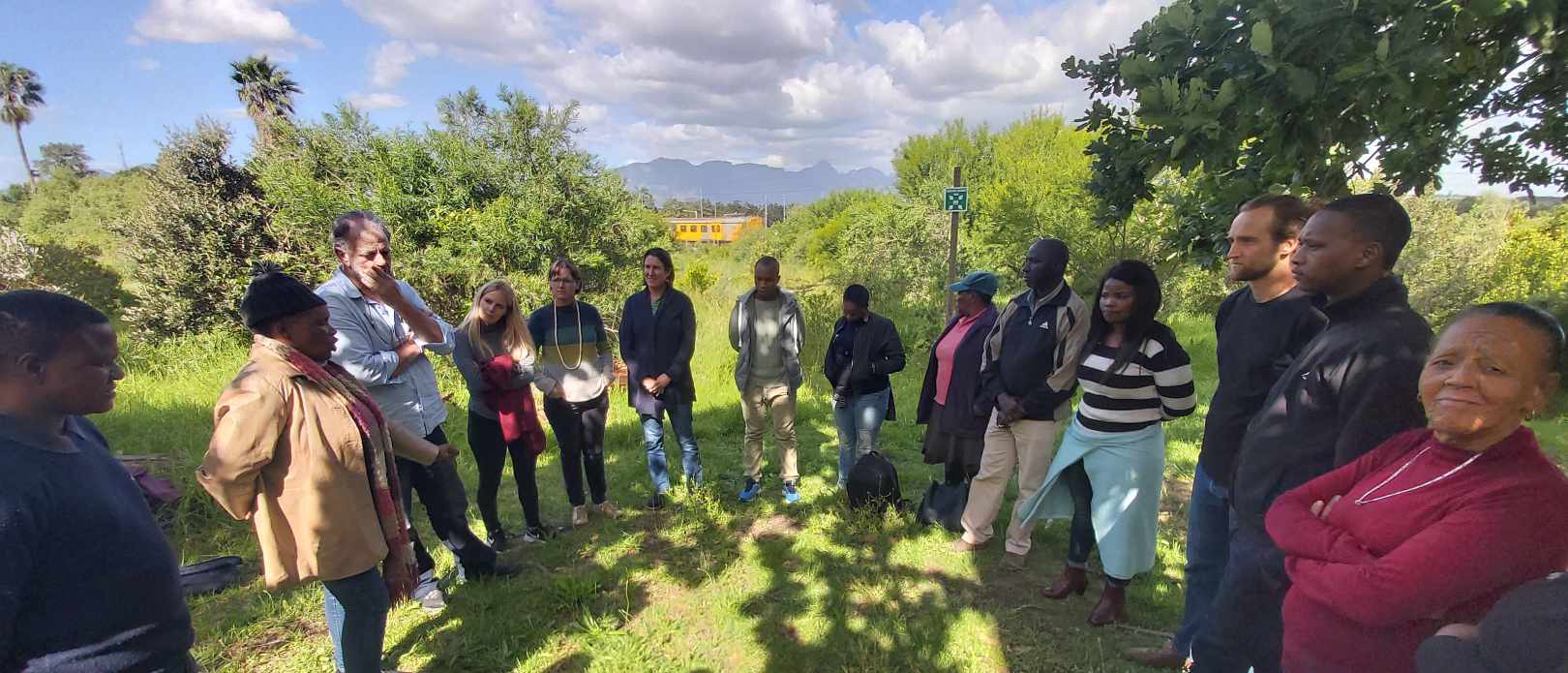
Jiménez Aceituno is heavily involved in the Seeds of a Good Anthropocene project, and she has participated in running the workshop for Envisioning better Anthropocenes for North Europe, implementing the methods previously used in the Anthropocene Visioning Workshop developed in Cape Town, South Africa (2016).