Lisen
Schultz
PhD
Deputy Director
Director of Education
+46 8 674 7014
RSS-link
- Adaptive governance
- Bridging organisations
- Resilience Assessments
- Learning
- Participation
- Biosphere reserves
- Stewardship
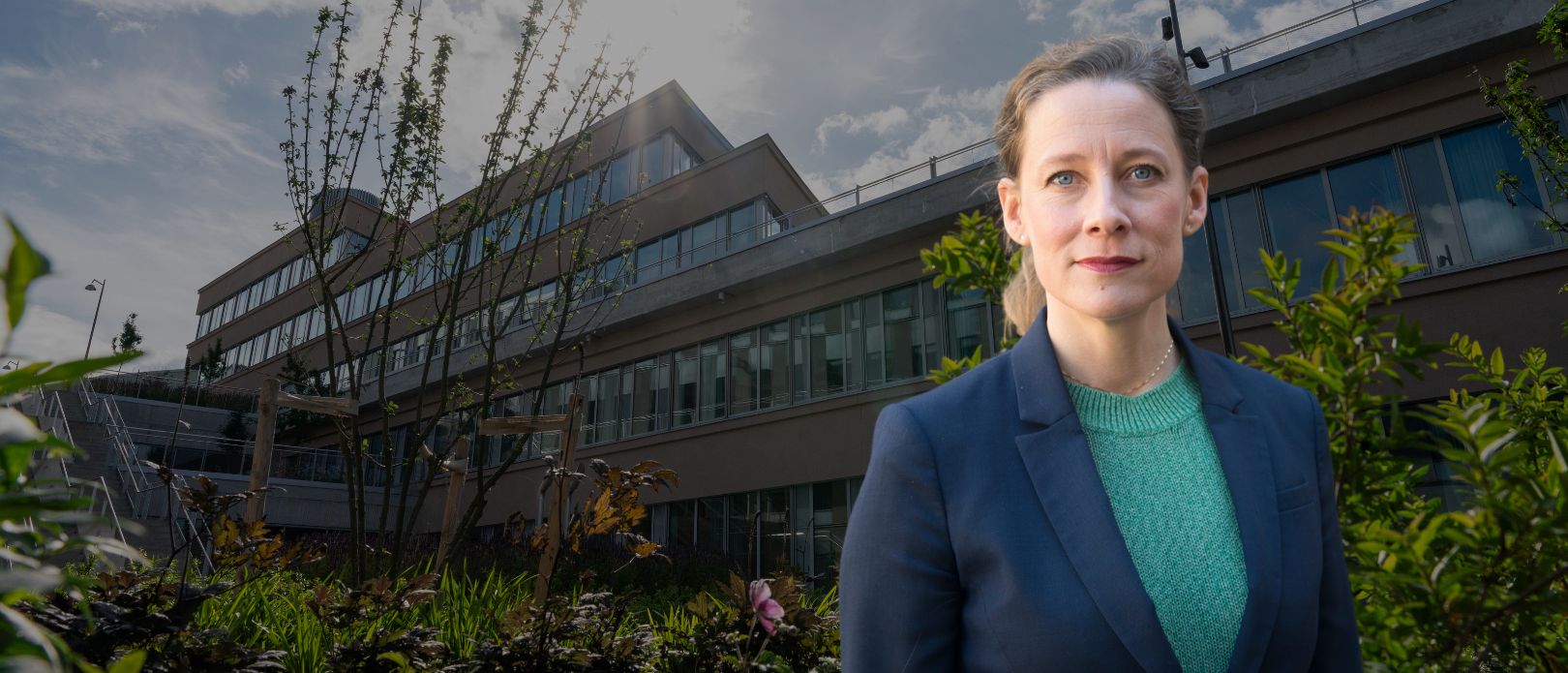
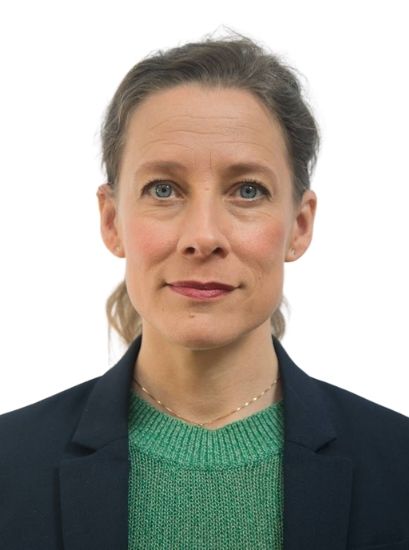
Lisen Schultz is deputy director for the Stockholm Resilience Centre, director of education and the programme director for the centre's Executive programme in resilience thinking
Schultz was appointed Deputy Director of Stockholm Resilience Centre on 1 July 2023. Lisen Schultz’s new appointment adds to her roles as Director of Education and the Programme Director for the centre's Executive programme in resilience thinking. Lisen Schultz has been part of the centre’s leadership group since 2018. Schultz holds a PhD in Natural Resource Management from Stockholm University, and was awarded the title of Docent (Associate Professor) in 2023.
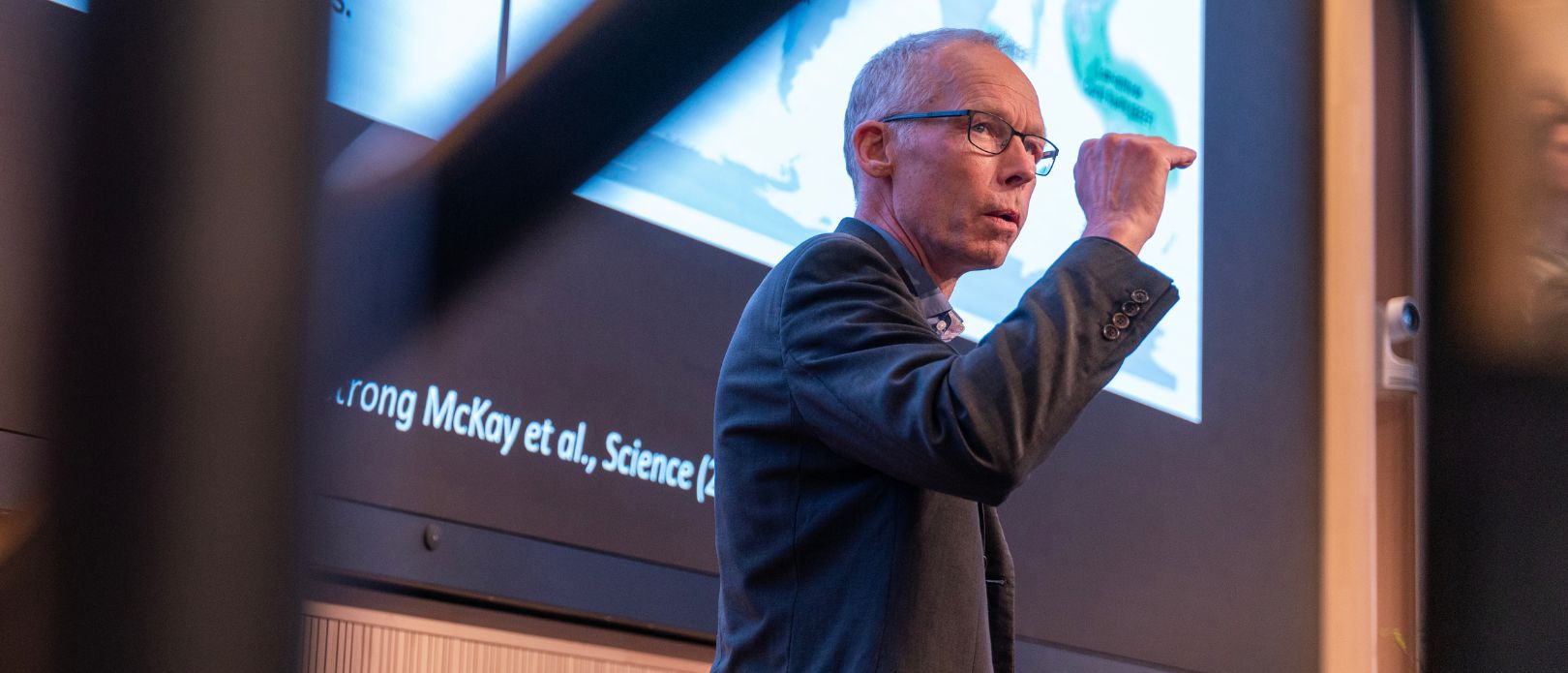
She is an appreciated teacher who often gives lectures at universities as well as to companies, governmental bodies, civic associations and the public. She is the course coordinator of Sustainability Science I & II. Subjects of her lectures include: sustainability, biosphere reserves, adaptive governance, adaptive co-management, resilience assessments, qualitative methods, surveys, social-ecological inventories, ecosystem services, and facilitation.
Schultz holds a PhD in Natural Resource Management from Stockholm University, awarded in 2009. Her PhD research focused on the management of ecosystem services in the Swedish wetland area Kristianstads Vattenrike, exploring how local farmers, the municipality and county board, and local associations engaged and interacted with each other and the landscape. This research contributed to the Swedish Sub-global assessment in the Millennium Ecosystem Assessment. Kristianstads Vattenrike was designated a UNESCO biosphere reserve in 2005, which opened an opportunity for comparisons of governance processes and outcomes across the world network of biosphere reserves.
During her post-doctoral research, she coordinated the development of the Programme on Ecosystem Change and Society (PECS) and initiated a research project on diversity and collaboration for ecosystem management ,funded by Ebba och Sven Schwartz Stiftelse (2011-2016). She also initiated two research projects funded by the Swedish Research Council: GLEAN (A global survey of learning and participation in ecosystem management, 2011-2017) and BiosACM (Diagnosing processes and outcomes in adaptive co-management, 2013-2017).
Through case studies and international surveys, these projects explored how biosphere reserves in different regions operate as learning sites for sustainable development and as bridging organizations connecting diverse interests and knowledge systems in adaptive co-management. In 2013 she received funding from the Swedish Environmental Protection Agency together with colleagues at the SRC, for a project that continued and expanded on the studies of Kristianstads Vattenrike through a participatory resilience assessment of the Helgeå river drainage basin.
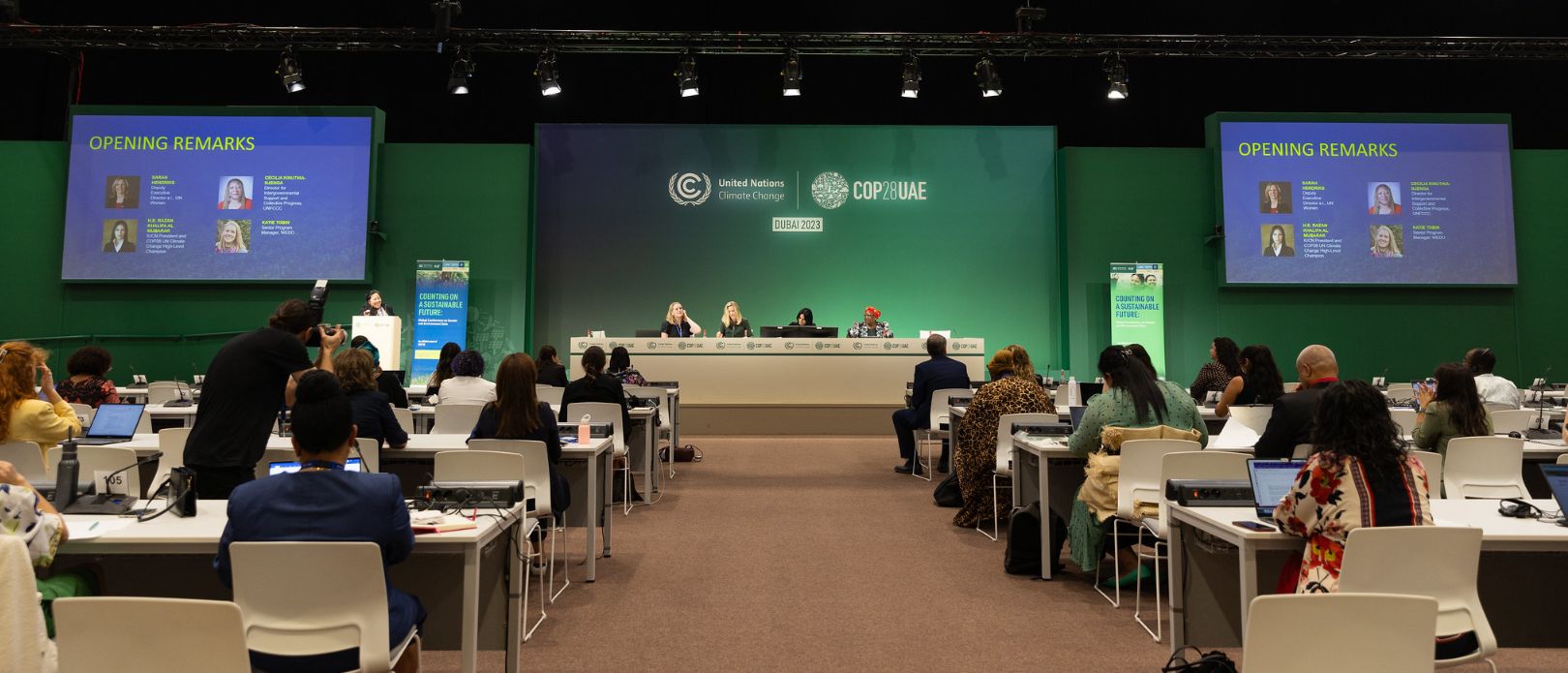
Throughout Schultz’s career, she has engaged in the interface between science and society, bringing knowledge to action in processes ranging from municipal planning to international negotiations. For example, she has done research on ecosystem services and on biosphere reserves for Agenda 2030 with the Swedish Environmental Protection Agency, she has conducted resilience assessments with Swedish biosphere reserves and municipalities, and she assisted the Swedish delegation in the early negotiations on establishing the Intergovernmental Platform on Biodiversity and Ecosystem Services (IPBES).
Furthermore, she helped design and facilitate the second dialogue of the SeaBOS initiative, and has designed and delivered multiple commissioned education programmes to companies.
PhD supervision
2021– Mary Scheuermann Main supervisor of PhD student (Stockholm Resilience Centre, Stockholm university.
2016-2021 Katja Malmborg:” How on Earth? Operationalizing the ecosystem service concept for sustainability”. Dissertation October 27, 2021, Stockholm Resilience Centre, Stockholm university. Opponent: Adj. Prof. Kaisa Korhonen-Kurki, Dep. of Forest Sciences, University of Helsinki, and Finnish Environment Institute SYKE.
2012-2016 Simon West: “Meaning and Action in Sustainability Science:I nterpretive approaches for social-ecological systems research”. Dissertation December 16, Stockholm Resilience Centre, Stockholm university. Opponent: Dr Lorrae van Kerkhoff., Senior Lecturer and Research Fellow, Fenner School of Environment and Society, The Australian National University.
Achievements
- Associate Professor at University of Bergen, to the UNESCO Chair, 10%, 2018-2021
- Member of the Swedish National Commission for UNESCO since 2018
- Expert member of UNESCO Man and the Biosphere Programme Strategy group (2015-2016)
- Member of the scientific committee for the Resilience 2017 conference
- Interdisciplinary participant of the first Antarctic Biennale 2017, an expedition to Antarctica, engaging with artists to develop new visions for the future.
- Founded the Pontus Schultz Foundation in 2012, which developed into an important platform for CEOs, experts and change makers in the Swedish business community to advance sustainability for prosperity.
- Contributor in the UN Millennium Ecosystem Assessment (2001-2005)
Board member of ClimateView
Key publications
Schultz, L., Treijs, E. 2021. Kursen – 10 lektioner för ett hållbart näringsliv. Natur & Kultur.
Schultz L., S. West., A, Juaréz Bourke, L. d’Armengol, P. Torrents, H. Hardardottir, A. Jansson and A. Mohedano Roldán. 2018. Learning to live with social-ecological complexity: an interpretive analysis of learning in 11 UNESCO Biosphere Reserves. Global Environmental Change 50: 75–87
Westley, F. R., O. Tjornbo, L. Schultz, P. Olsson, C. Folke, B. Crona and Ö. Bodin. 2013. A theory of transformative agency in linked social-ecological systems. Ecology and Society 18(3): 27
Schultz, L., A. Duit. and C. Folke. 2011. Participation, adaptive co-management and management performance in the World Network of Biosphere Reserves. World Development 39(4): 662–671
Schultz, L., C. Folke and P. Olsson. 2007. Enhancing ecosystem management through social-ecological inventories: lessons from Kristianstads Vattenrike, Sweden. Environmental Conservation 34 (2): 140–152